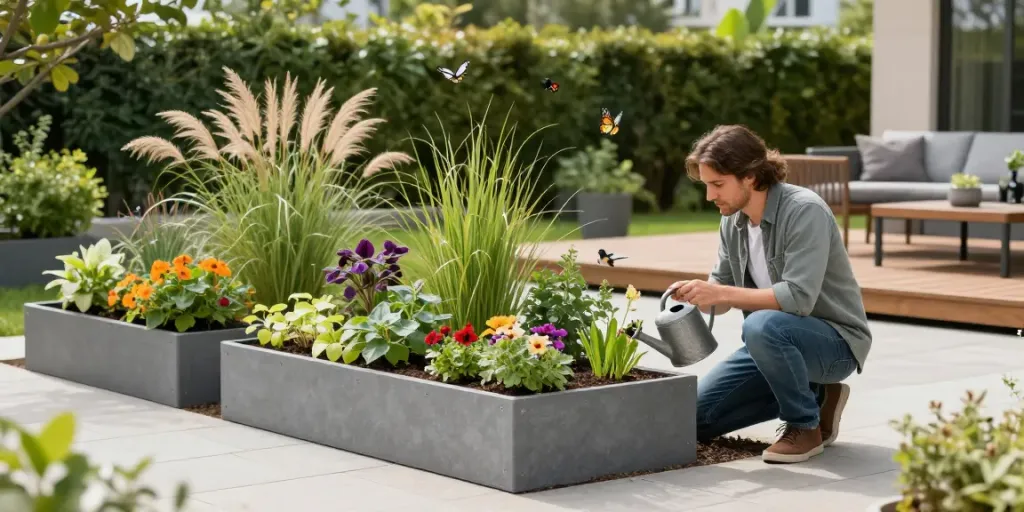
Understanding Different Types of Garden Planters
When embarking on your gardening journey, selecting the right planter is crucial. The world of garden planters is vast, offering a variety of materials and designs that can significantly affect plant growth and overall garden aesthetics. Common planter materials such as clay, plastic, and metal each have their unique benefits, making it essential to choose wisely for your specific gardening needs. on their website, gardeners can explore a range of high-quality planters that cater to various plant types and environmental conditions.
What are the Common Materials Used?
Garden planters come in a multitude of materials, each offering different benefits:
- Clay: Known for its porous nature, clay planters allow for excellent aeration and moisture retention, making them ideal for herbs and flowers.
- Plastic: Lightweight and versatile, plastic planters are resistant to weather elements and come in various shapes and sizes.
- Wood: Wooden planters provide a natural aesthetic but require treatment for longevity. They are excellent for rustic gardens.
- Metal: Metal planters, often made from galvanized steel or aluminum, are durable and can withstand harsh weather conditions.
Which Planter Designs Enhance Plant Growth?
Choosing a planter design that enhances growth involves understanding the specific needs of your plants. For instance, raised planters allow for better drainage and soil temperature control, which can benefit root development. Additionally, self-watering planters can help maintain consistent moisture levels, reducing the frequency of watering.
How to Choose Planters Based on Plant Type?
Different plants thrive in different environments, so selecting the right planter is essential:
- Succulents and Cacti: Choose shallow planters with good drainage holes.
- Vegetables: Opt for larger planters to accommodate root systems, ensuring they receive ample nutrients.
- Flowers: Standard pots with drainage are typically sufficient but consider the height and spread of the plants you choose.
Benefits of Using Planters in Your Garden
Planters offer numerous advantages that can transform your gardening experience. They provide better soil drainage and allow for more control over the growing environment. By using planters, you can also create visually appealing arrangements that enhance the overall look of your space.
Why Planters Improve Soil Drainage?
One of the primary benefits of using planters is improved soil drainage. Many planters come equipped with drainage holes that prevent water accumulation, which can lead to root rot. Using a well-draining soil mix further enhances this effect, ensuring your plants have access to the moisture they need without the risk of overwatering.
How They Contribute to Aesthetic Appeal?
Planters add an element of design to your garden. They can be arranged in various formations, colored to match your garden theme, or styled to create a focal point. Whether you choose minimalist designs or vibrant decorative pots, well-placed planters can elevate your outdoor space.
What Are the Environmental Advantages?
Using planters can also have environmental benefits. They enable gardening in areas where soil quality is poor, allowing for sustainable practices. Additionally, many planters are now made from recycled materials, contributing to reducing waste and promoting eco-friendliness in gardening.
Designing an Efficient Planting Strategy
Creating an effective planting strategy involves understanding your garden's unique needs. This includes knowing which plants will thrive in your chosen planters, understanding their placement, and considering seasonal changes that may impact growth.
Which Plants Thrive in Containers?
Many plants flourish in planter boxes and pots, particularly those with smaller root systems. Herbs like basil and rosemary, as well as flowering plants such as petunias and marigolds, are ideal for container growth. It's crucial to match the plant's needs with the planter's size and material for optimal results.
How to Arrange Your Planters for Optimal Growth?
Arranging your planters effectively can maximize sunlight exposure and promote air circulation. Grouping plants with similar light and water requirements together can simplify care while ensuring they thrive. Consider height variation, placing taller plants in the back and shorter ones in front to create depth and interest.
What Seasonal Considerations Should You Keep in Mind?
Seasonal changes can greatly impact plant growth. In colder months, choose frost-resistant planters and consider bringing delicate plants indoors. In hot seasons, watering schedules may need to be adjusted to prevent drying out. Awareness of these factors ensures a thriving garden throughout the year.
Best Practices in Planter Maintenance
Maintaining your planters is as important as selecting them. Proper care will extend their life and improve plant health. Incorporating effective watering, fertilization, and pest management techniques is crucial for a successful garden.
How to Water Your Planters Effectively?
Effective watering practices can prevent both under and overwatering. The soil should be checked regularly; the top inch should feel dry before watering again. Utilizing self-watering systems or drip irrigation can help regulate moisture levels, ensuring your plants receive consistent hydration.
What Fertilization Techniques Work Best?
Fertilizing your container plants can enhance their growth significantly. Liquid fertilizers applied during the growing season deliver essential nutrients directly to the plants. Organic options, such as compost tea or worm castings, can also foster robust growth while being gentle on the environment.
How to Prevent Pests in Container Gardens?
Container gardens are not immune to pests. Regularly inspecting your plants for signs of infestation is vital. Employing natural pest control methods, such as introducing beneficial insects or using organic sprays, can help maintain a healthy garden environment.
Future Trends in Garden Planter Design
The future of garden planters is bright, with innovative designs and technologies emerging. As the gardening community evolves, so do the materials and methods used in planter design, reflecting the changing needs and preferences of gardeners.
What Innovations Are Emerging in 2026?
Emerging trends include vertical gardening systems and modular planter designs that allow for customization and efficient use of space. Eco-friendly materials and smart technology that monitors plant health and soil moisture are also gaining popularity.
How Sustainable Practices Are Influencing Design?
Sustainability is becoming a priority in gardening. Many manufacturers are focusing on creating planters from recycled materials and promoting plant designs that require less water and maintenance, catering to environmentally-conscious consumers who seek to reduce their carbon footprint.
What Role Do Smart Planters Play in Gardening?
Smart planters equipped with sensors for monitoring moisture, temperature, and nutrients are revolutionizing gardening. These high-tech solutions can send alerts to gardeners via mobile apps, helping to optimize care and improve overall plant health.
What type of soil is best for planters?
Choosing the right soil mix is critical. A combination of potting soil, perlite, and compost typically provides good drainage and essential nutrients for container plants.
Can I grow vegetables in decorative planters?
Absolutely! Many vegetables can thrive in decorative planters, provided they have adequate drainage and the right soil mix.
How do I choose the right size planter for my plants?
It's important to select a planter that allows for growth; check the mature size of your plants and choose accordingly. A good rule of thumb is to select a pot that is at least 6-12 inches wider and deeper than the root ball of your plant.
What are some common mistakes with container gardening?
Common mistakes include overwatering, not allowing for drainage, and neglecting to fertilize. Understanding your plants' specific needs can help prevent these issues.
Are there benefits to using biodegradable planters?
Biodegradable planters can improve environmental sustainability, as they break down over time, enriching the soil structure and reducing waste in landfills. They are an excellent choice for eco-conscious gardeners.